

Table of Contents
- Why Graphic Tees Fade and What Causes Print Damage
- Prepare Your Graphic Tees Before Washing
- Best Detergent for Graphic Tees
- Wash Your Graphic Tees the Right Way
- Air Drying vs Machine Drying Graphic Tees
- How to Remove Stains From Graphic Shirts
- Storage Best Practices for Long-Term Print Preservation
- Common Mistakes That Damage Graphic Tees
- Frequently Asked Questions
Last Updated: September 20, 2026
Why Graphic Tees Fade and What Causes Print Damage
Graphic tees fade because the prints face constant stress during washing. Heat, friction, harsh chemicals, and water temperature all work against the ink or dye that creates your design. When you wash graphic tees the wrong way, the print cracks, flakes, or loses color in just a few washes.

The culprit is often friction. Every time your shirt tumbles in the washer, the printed surface rubs against other fabrics. Add hot water and a strong detergent, and the print breaks down faster. Most people don't realize that the agitation inside a standard wash cycle is one of the biggest threats to graphic tees.
Understanding what damages prints helps you protect your investment and keep your favorite tees looking fresh for years.
The print itself matters too. Different printing methods, screen printing, direct-to-garment, and heat transfer, respond differently to washing conditions. Water hardness, detergent type, and drying method all play a role. The good news is that protecting your graphic tees is straightforward once you know what to avoid.
Prepare Your Graphic Tees Before Washing
Before your graphic tees hit the washer, take two quick steps. These prevent damage before washing even starts.
Turn shirts inside out
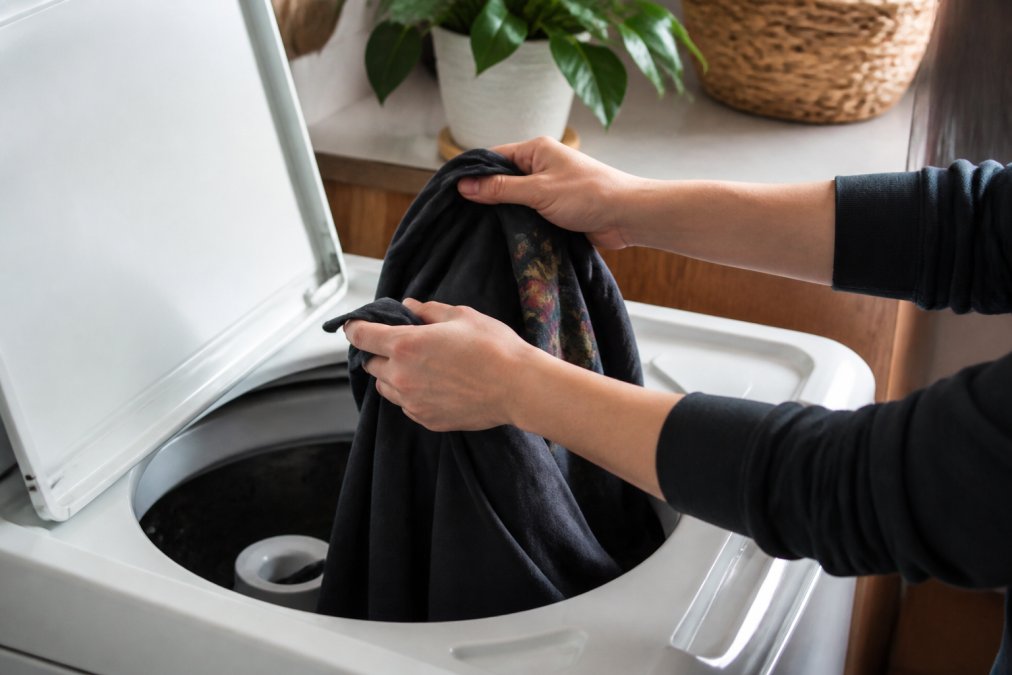
This is the single most important step. Turning your shirt inside out puts the printed surface face-inward, away from friction with other garments. The back of the shirt, which has no print, takes the wear instead.
When the printed side faces outward, it rubs against other clothes throughout the entire wash cycle. Even gentle fabrics create friction that chips away at the print. Inside-out washing reduces this contact dramatically.
Do this for every graphic tee, every time. It takes three seconds and makes a measurable difference in print longevity.
Check for existing stains
Look for stains before washing. If you spot one, treat it separately before the full wash cycle. Stains left untreated often set permanently during washing, especially with heat.
For fresh stains, rinse immediately with cold water. Don't rub or scrub, blot gently. Let the shirt air dry before washing if possible. This prevents the stain from bonding to the fabric fibers.
For older stains, a pre-soak in cold water with mild soap works better than machine washing alone. Avoid bleach and oxygen-based cleaners on graphic tees, these can damage both the print and the fabric.
Best Detergent for Graphic Tees
Not all detergents are equal when it comes to graphic tees. Standard detergents contain harsh surfactants and bleaching agents that break down print pigments and dyes.
Choose a color-safe, mild detergent designed for delicate fabrics. These products clean effectively without the aggressive chemicals that strip color from prints. Look for labels that say "gentle," "color-safe," or "for delicates."
Avoid:
- Bleach or oxygen bleach (these fade prints rapidly)
- Fabric softener (it coats fibers and can trap moisture, causing prints to crack)
- Heavy-duty or enzyme-based detergents (designed for tough stains but too harsh for prints)
- Powder detergents (they don't dissolve as fully and can leave residue)
Use less detergent than the bottle recommends. A smaller amount cleans just as well and rinses out more completely. Leftover detergent residue weakens both the fabric and the print over time.
Wash Your Graphic Tees the Right Way
The washing process itself determines whether your prints stay vibrant or fade within a few washes. Three specific settings matter most.
Use cold water settings
Hot water accelerates fading and can cause prints to crack. Cold water cleans just as effectively without the heat damage. This single change extends print life significantly.
Cold water also prevents the fabric from shrinking, which puts extra stress on the print. When fabric shrinks, the print doesn't shrink at the same rate, causing it to crack and flake.
Set your washer to cold water for every graphic tee wash. This works for whites, colors, and mixed loads.
Select a gentle or delicate cycle
A standard wash cycle uses high agitation designed to remove tough stains from everyday clothes. Graphic tees don't need that level of agitation. In fact, it harms them.
The gentle or delicate cycle uses slower spin speeds and less tumbling. This reduces friction between garments and protects the print surface. The wash still removes dirt and sweat, it just does so more gently.
FAITH OVER FEAR Christian T-Shirt →
Delicate cycles typically run 30-40 minutes instead of 45-60 minutes. They use less water and gentler mechanical action. For graphic tees, this is ideal.
Use mesh laundry bags for extra protection
A mesh laundry bag adds another layer of protection by reducing direct contact between your graphic tees and other garments. The bag allows water and detergent to reach the shirt while minimizing friction.
Place one or two graphic tees in a bag per wash. Don't overstuff, the shirt needs room for water to circulate. Mesh bags work for both washer and dryer cycles.
This step is especially useful if you have a large household or wash mixed loads. It prevents heavier items like jeans from rubbing against your prints.
Air Drying vs Machine Drying Graphic Tees
Drying is where many graphic tees get damaged. Heat and tumbling in a dryer accelerate fading and cracking. Air drying is the best option, but if you must use a dryer, there's a right way to do it.
Why air drying protects your prints
Air drying eliminates heat entirely. No heat means no cracking, no accelerated fading, and no shrinkage. The print stays intact because it's not exposed to stress.
Hang your graphic tees on a clothesline, drying rack, or hanger in a shaded area. Direct sunlight can fade prints over time, so avoid bright outdoor spots. A covered porch, basement, or interior room works well.
Air drying takes 4-8 hours depending on humidity and air circulation. It's slower than a dryer, but the trade-off is worth it. Your prints stay vibrant for years instead of fading within months.
Remove the shirt from the washer promptly and hang it while still damp. Don't wring or twist, just hang it straight. This prevents wrinkles and allows water to drain evenly.
If you must use a dryer
Sometimes a dryer is necessary. If you use one, follow these rules to minimize damage.
Use the lowest heat setting available, usually labeled "low," "delicate," or "air dry." Some dryers have an "air dry" setting with no heat at all. Use that if your machine has it.
Keep drying time short. Remove the shirt while it's still slightly damp rather than fully dry. This reduces heat exposure significantly.
Never use high heat, medium heat, or any setting above low. The damage happens fast at higher temperatures.
Consider using a dryer sheet designed for delicates, or skip them entirely. Standard dryer sheets can leave residue on prints.
How to Remove Stains From Graphic Shirts
Stains happen. The key is treating them quickly and gently to prevent permanent damage to the print.
For fresh stains, rinse immediately with cold water. Hold the shirt under the faucet and let water run through the stain.
Storage Best Practices for Long-Term Print Preservation
How you store graphic tees affects their longevity. Improper storage causes fading, cracking, and mildew.
Common Mistakes That Damage Graphic Tees
Most people damage their graphic tees without realizing it. These are the mistakes that happen most often.
| Common Mistake | Why It Damages Prints | Better Alternative |
|---|---|---|
| Hot water washing | Heat weakens dyes and causes cracking | Use cold water always |
| Standard detergent | Harsh chemicals fade prints rapidly | Choose color-safe, mild soap |
| Machine drying with heat | Heat accelerates fading and cracking | Air dry completely |
| High agitation cycles | Friction damages print surface | Use delicate or gentle cycle |
| Fabric softener | Creates buildup that traps moisture | Skip fabric softener entirely |
| Ironing on print | Direct heat cracks and peels print | Iron back only or use cloth barrier |
Frequently Asked Questions
How do I stop graphic tees from fading?
Wash in cold water, turn shirts inside out, use a gentle cycle, and air dry instead of tumble drying. Avoid fabric softener and bleach, which break down print fibers. Cold water reduces dye bleeding and friction damage. Following these steps preserves vibrant colors and print quality for years.
What's the best detergent for graphic tees?
Use mild, color-safe detergents without bleach or optical brighteners. Liquid detergents dissolve better in cold water than powders. Avoid heavy-duty or enzymatic formulas that can weaken fabric and print adhesion. For faith-inspired designs like our Saved by Grace tee, a gentle detergent protects both the cotton and the print quality wash after wash.
Should I turn my graphic tees inside out before washing?
Yes. Turning graphic tees inside out is one of the most effective ways to prevent fading. This reduces direct friction between the printed design and other garments or the agitation inside the washer. The inside-out method shields the print from water turbulence and mechanical stress during the wash cycle.
Can I put graphic tees in the dryer?
Air drying is best for graphic tees because heat from the dryer can cause cracking, peeling, and fading. If you must use a dryer, select the lowest heat setting and remove the shirt while still slightly damp. Heat damages both synthetic and cotton fibers, weakening the bond between the print and the garment. Air drying preserves print integrity and extends garment life significantly.